How to Reach Cinque Terre: Train Routes, Car Advice, and Ferry Alternatives
Plan your arrival to Cinque Terre easily with this practical guide to train routes, transfer hubs, car limits, and seasonal boat options.
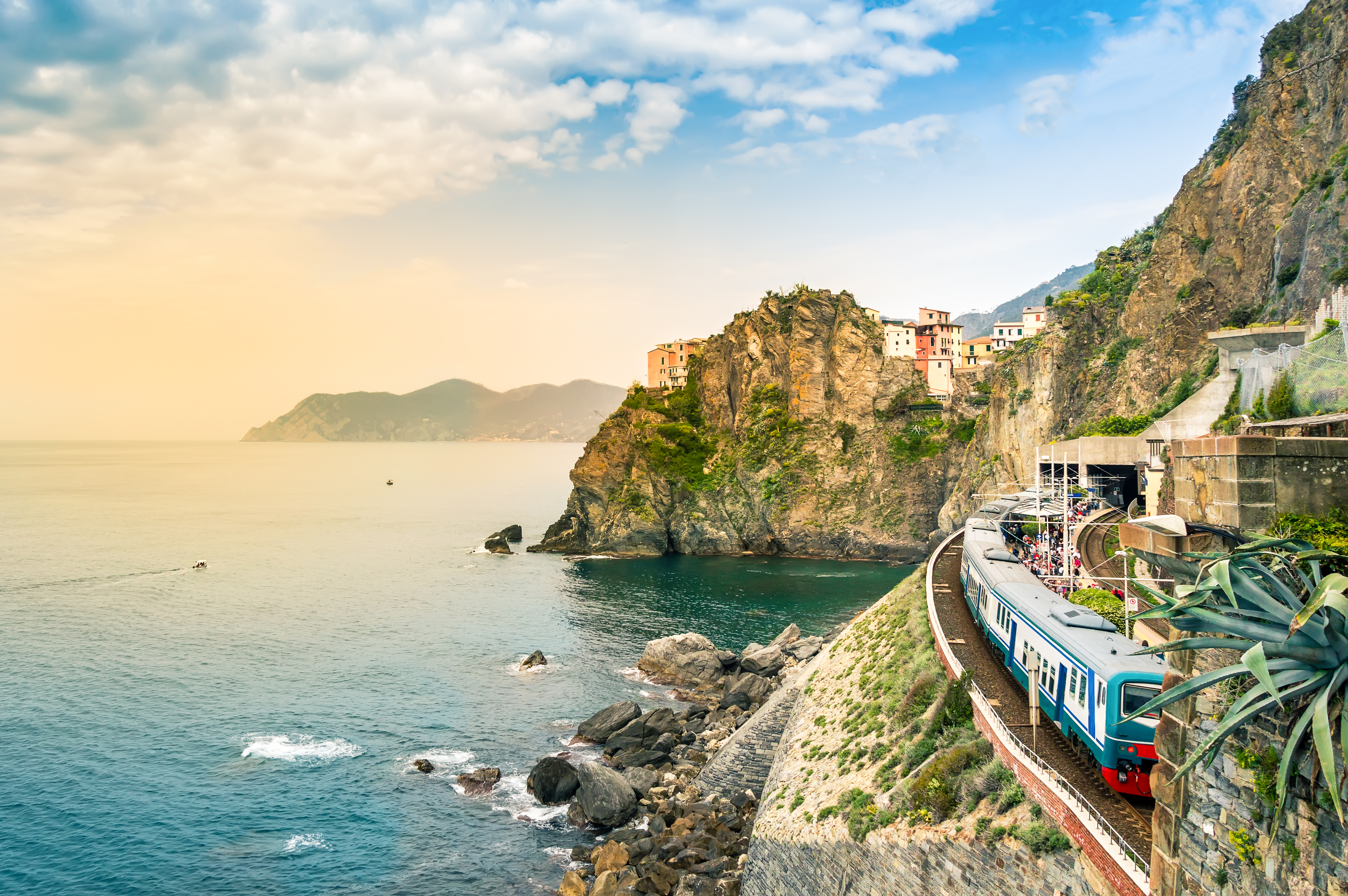
Cinque Terre feels remote in photos, but logistically it is a rail-first destination. The less you fight that reality, the better your trip starts.
Quick verdict
- Best overall: train-based arrival.
- Best hub: La Spezia (most flexible).
- Most common mistake: insisting on a car to reach village centers.
The 4 main entry strategies
A) Via La Spezia (most reliable)
- Reach La Spezia Centrale.
- Take regional trains to the villages.
- Base in one village and move by rail/foot/boat.
Why this works: high frequency, simple connections, easy plan B.
B) Via Levanto (good for north approach)
Useful if you are coming from Genoa side and prefer starting at Monterosso/Vernazza side.
C) By car + park outside core villages
Possible, but limited. Roads are narrow and parking is constrained.
D) Coastal boat (seasonal supplement)
Beautiful, but weather-dependent and not a replacement for all mobility needs.
Compare your options
| Option | Comfort | Flexibility | Scenic value | Risk of delays |
|---|---|---|---|---|
| Regional train | High | High | Medium | Low-Medium |
| Car only | Medium | Low in villages | Medium | High |
| Ferry-only strategy | Medium | Medium | Very High | Medium-High |
If you arrive from major cities
- From Florence/Pisa: usually rail through La Spezia.
- From Milan: often via Genoa or direct patterns depending on day.
- From Rome: high-speed + regional link is common.
[!IMPORTANT] Validate the final regional leg carefully; this is where most itinerary friction happens.
Car reality check (read before renting)
- Village cores are heavily restricted.
- Parking can be full early in high season.
- Luggage on steep stairs is a hidden cost.
If your plan includes long scenic drives elsewhere, keep the car outside your Cinque Terre nights and switch to rail locally.
Ferry reality check
Ferries can be magical between villages, but:
- schedules are seasonal,
- seas can cancel departures,
- evening mobility may still require trains.
Use ferries as a highlight, not a single point of failure.
My friction-free arrival formula
- Book your long-distance leg first.
- Keep a 30–60 minute buffer before your final regional segment.
- Travel with compact luggage.
- Screenshot critical timetables in case of weak signal.
Packing line worth following
- 1 carry-on size bag
- 1 small daypack
- shoes with grip
Bottom line
You don't need heroic logistics for Cinque Terre. You need one good hub, realistic transfer buffers, and willingness to let trains do the heavy lifting.
O autorze

Cinque Terre Local Guide
Ten przewodnik powstał, aby pokazać podróżnym, jak wycieczki łodzią i autokarem po Cinque Terre działają w rzeczywistych warunkach, poza wygładzonym językiem broszur — tak, by łatwiej było mądrze wybrać, wygodnie się przemieszczać i świadomie cieszyć się każdą wioską.
Tags
Comments (0)
Loading comments...